
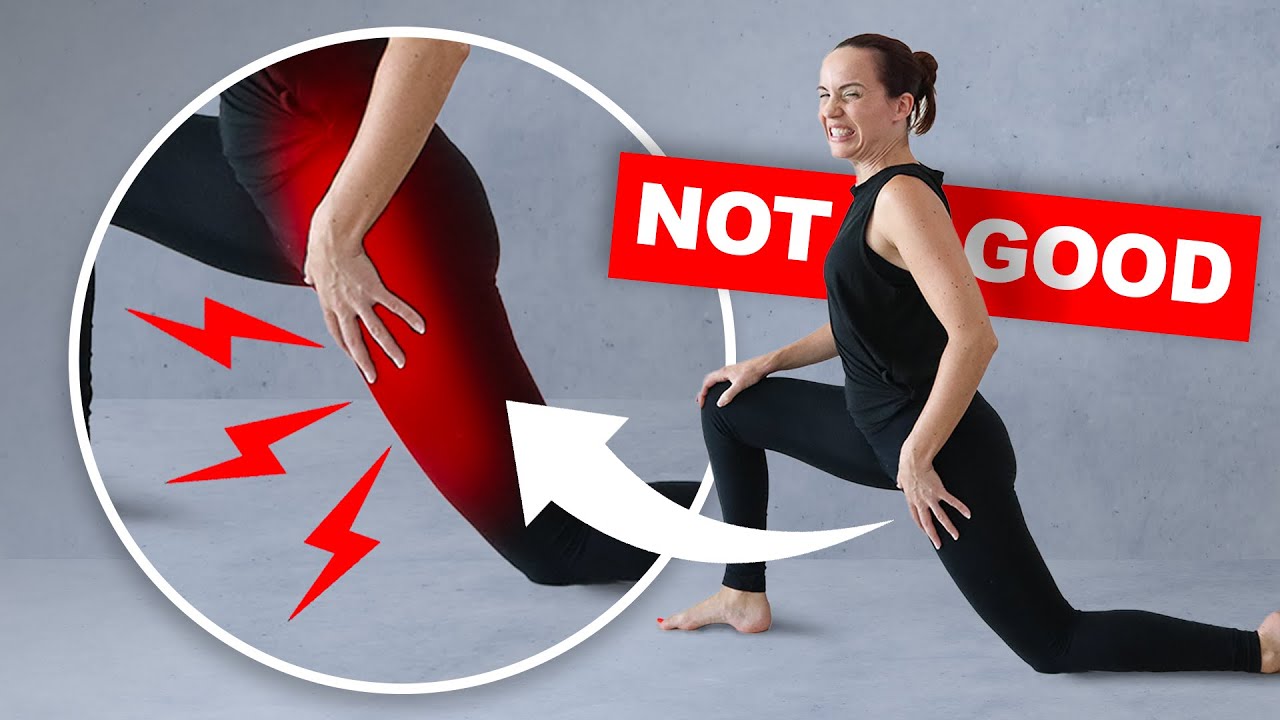

STOP Stretching Your Psoas Like This! Try These Effective Techniques Instead
When practicing yoga, many people unknowingly stretch their psoas improperly, which can lead to discomfort or even injury. Rather than sticking with traditional stretching techniques, it’s time to explore more effective methods to engage and protect this crucial muscle. By adopting targeted movements, you can support the health of your psoas and improve both your flexibility and body awareness. Let’s dive into the best approaches for safe and beneficial psoas engagement.
Understand the Role of the Psoas
Before changing your approach, it’s important to first understand the role of the psoas muscle. This powerful muscle connects the spine to the legs and plays a critical part in hip flexion, postural alignment, and core stability. When stretched improperly, the psoas can become strained or even weakened. Instead of relying on outdated static stretching methods, consider exercises that strengthen and dynamically engage the psoas, leading to better results with less risk of injury.
Shift to Strengthening Movements
Rather than forcing your psoas into deep stretches, it’s more effective to focus on strengthening exercises. Strengthening the psoas helps improve overall hip mobility and core stability without putting unnecessary strain on the muscle. Movements like lunges and bridges activate the psoas in a more functional and supportive way. For instance, lunges help dynamically engage the hip flexors while bridges promote a strong, stable core. These exercises provide the psoas with the engagement it needs to stay healthy and balanced, without over-stretching or causing harm.
Focus on Breath and Alignment
In addition to strengthening exercises, it’s essential to incorporate proper breathwork and alignment into your routine. Your breath plays a key role in connecting to your core and psoas. Diaphragmatic breathing—which involves deep, intentional breaths that engage the diaphragm—can help you feel more in tune with your psoas during movement. When paired with core-strengthening exercises, this breathing technique enhances body awareness and fosters deeper engagement with the psoas.
Moreover, paying attention to alignment is critical. Ensure that your hips, spine, and core are in alignment during exercises like lunges or bridges to avoid compensating with other muscles. Good alignment allows the psoas to function properly without becoming overstressed.
Replace Outdated Stretches with Mindful Engagement
It’s time to move away from the idea that stretching the psoas means forcing it into deep, static positions. Instead, prioritize dynamic movements and mindful engagement. In yoga practice, avoid holding the psoas in extreme stretches for prolonged periods, as this can lead to muscle imbalances or tightness. Opt for poses and movements that allow the psoas to engage in a functional range of motion, which supports flexibility while maintaining muscle strength.
Conclusion
In summary, it’s crucial to rethink how we interact with our psoas muscle. Let go of outdated stretching techniques and embrace a more balanced, informed approach. By focusing on strengthening movements, maintaining proper alignment, and engaging in mindful breathing, you can protect your psoas and improve your yoga practice. These strategies not only enhance flexibility but also promote core strength and overall body awareness. Make these adjustments, and you’ll cultivate a healthier psoas while reaping the benefits of a more balanced practice!
Check on YouTube

