
Overview of Effective Exercise Program Management Strategies
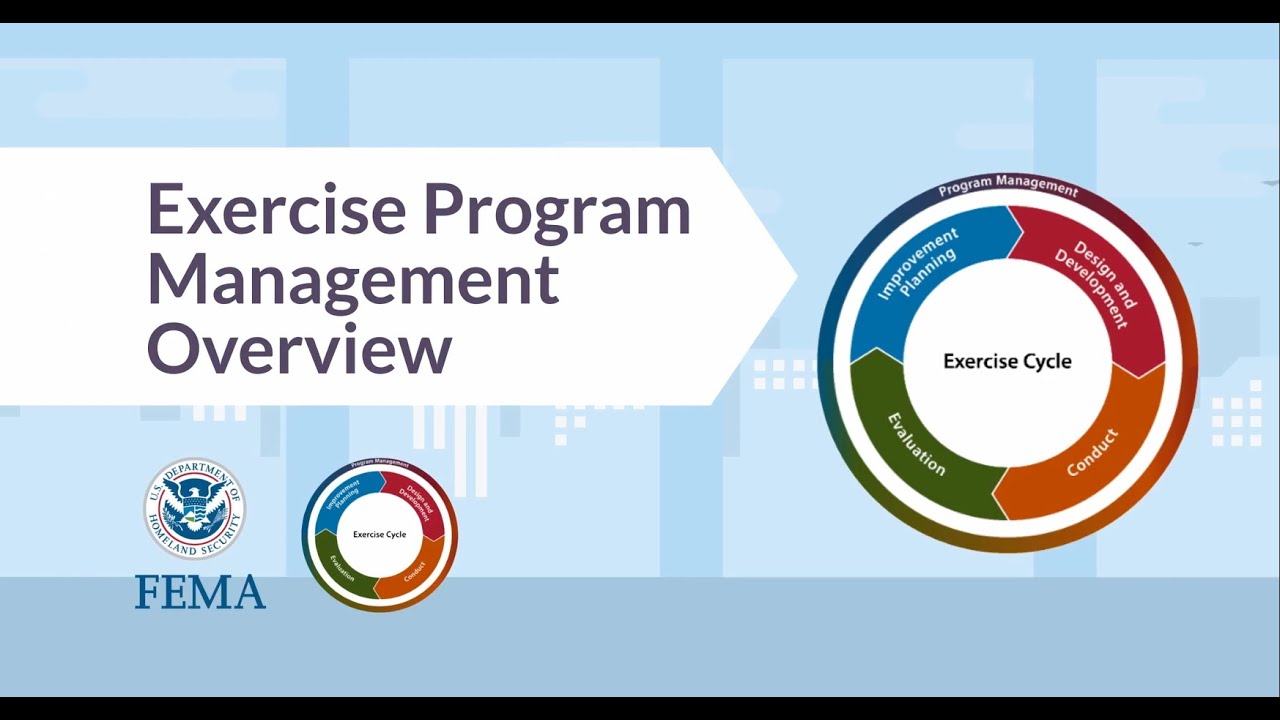

Effective Exercise Program Management: A Comprehensive Overview
Exercise program management plays a crucial role in achieving fitness goals. By focusing on structured planning, participant engagement, and ongoing assessment, fitness professionals can create impactful programs. This article delves into essential strategies for successful exercise program management, ensuring optimal results for individuals and groups alike.
Understanding Exercise Program Management
To effectively manage an exercise program, several key components must be considered. First, establishing clear objectives helps set a roadmap for success. Next, creating engaging sessions encourages participants to stay committed. Additionally, regular evaluations allow trainers to adjust the program based on feedback and progress. By emphasizing these elements, fitness experts can foster a supportive environment that promotes growth.
Building Clear Objectives
Establishing clear objectives lays the foundation for a successful exercise program. These objectives should be specific, measurable, achievable, relevant, and time-bound (SMART). When trainers articulate realistic goals, participants can easily track their progress and remain motivated. Moreover, setting benchmarks helps trainers assess the effectiveness of various strategies throughout the program.
Creating Engaging Sessions
To maintain participant interest, it’s vital to design engaging sessions. Incorporating various types of workouts, such as strength training, cardio, and flexibility exercises, caters to different preferences. Additionally, utilizing equipment like resistance bands and stability balls keeps the workouts dynamic. When participants enjoy their sessions, they are more likely to stick with the program, leading to better outcomes.
Regular Evaluations and Adjustments
Regular evaluations play a significant role in exercise program management. Assessing participants’ progress provides essential insights into their performance and well-being. By collecting feedback, trainers can modify workouts to ensure they remain effective and challenging. This ongoing adaptability is vital for client retention and long-term success.
Conclusion
In summary, effective exercise program management revolves around clear objectives, engaging sessions, and regular evaluations. By focusing on these elements, fitness professionals can create programs that not only meet the needs of participants but also promote continuous improvement. Ultimately, a well-managed exercise program enhances motivation and fosters a path to success for everyone involved.
Check on YouTube
