
High vs Low Reps: Science-Backed Insights for Optimal Gains
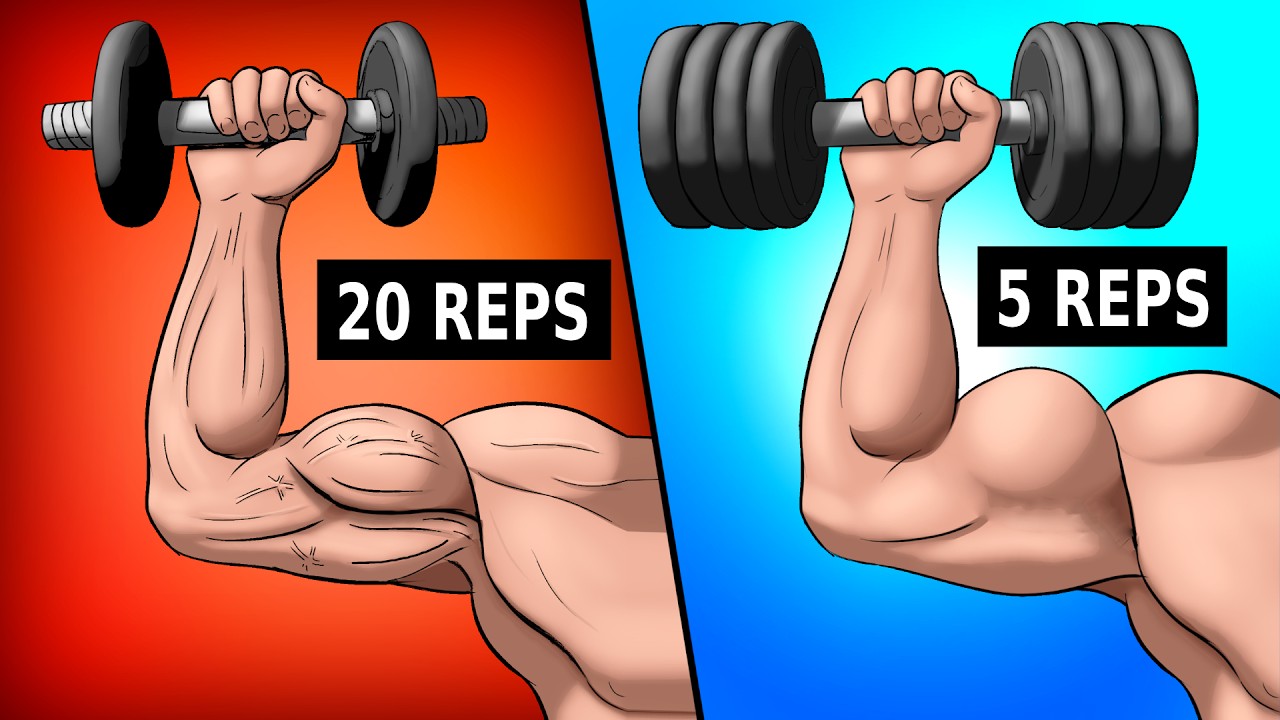

High vs Low Reps: Unraveling the Science Behind Weight Loss
When it comes to weight loss, choosing between high and low reps can significantly impact your results. Many fitness enthusiasts wonder whether performing high repetitions with lighter weights or lower repetitions with heavier weights drives better fat loss. Both methods have their merits, but understanding the science behind them is crucial for effective training. By exploring these approaches, we can determine which rep scheme best aligns with your weight loss goals.
High-rep training typically involves 12 to 20 repetitions per set, focusing on muscular endurance and calorie burning. This method can elevate your heart rate, leading to increased energy expenditure during and after your workout, often referred to as the afterburn effect. Conversely, low-rep training, generally ranging from 1 to 6 reps, emphasizes strength gains at heavier weights, which can also contribute to muscle growth and higher metabolism over time.
Balancing high and low reps can provide the benefits of both worlds. High-rep sessions can create a caloric deficit, while low-rep workouts increase muscle mass, which helps in long-term weight loss. Ultimately, your personal goals, preferences, and fitness levels should guide your choice. By strategically incorporating both approaches, you can maximize your weight loss journey, making your training more effective and enjoyable.
Check on YouTube

