
Essential Vitamins and Minerals: High School Biology Foundations | Khan Academy

Understanding Vitamins and Minerals: Key Concepts for High School Biology
In high school biology, students must grasp the fundamentals of vitamins and minerals. Understanding these essential nutrients is crucial, as they play a vital role in various bodily functions, growth, and overall health. This article delves into the basics of vitamins and minerals, providing foundational knowledge for students exploring biology at Khan Academy.
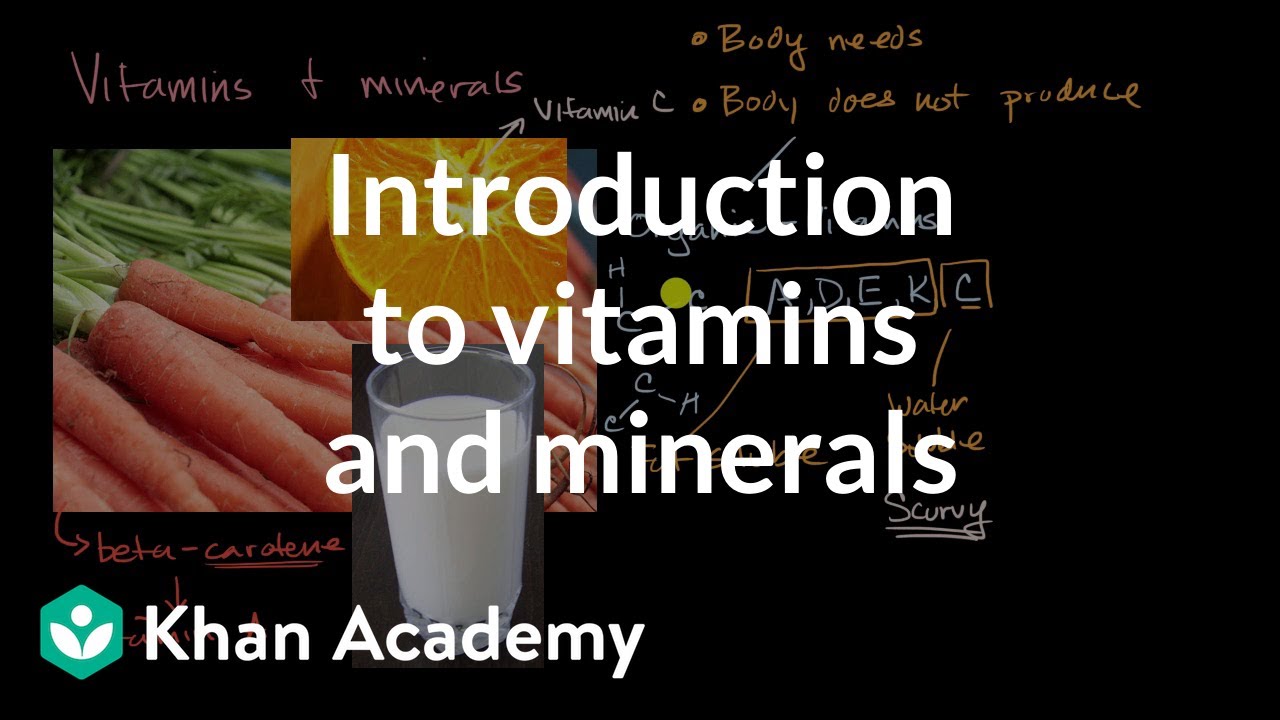
Vitamins and minerals serve distinct yet interconnected purposes in our bodies. Vitamins, organic compounds, help in processes like energy production and immune function. Minerals, on the other hand, are inorganic elements that assist in bone health and fluid balance. Notably, both types of nutrients are essential for maintaining optimal health.
Furthermore, students should be aware of water-soluble and fat-soluble vitamins. Water-soluble vitamins, such as B and C vitamins, dissolve in water and are excreted easily, while fat-soluble vitamins, including A, D, E, and K, require fat for absorption and can accumulate in the body. This understanding is fundamental when discussing dietary requirements and the consequences of deficiencies.
Additionally, the infographic representation of mineral sources offers visual aid and makes learning more engaging. Key minerals like calcium, iron, and potassium are pivotal for various bodily functions and can be found in numerous foods. By knowing their dietary sources, students can make informed choices about their nutrition.
In conclusion, understanding vitamins and minerals remains a cornerstone of biology education at Khan Academy. By recognizing their roles, sources, and types, students build a strong foundation for further exploration in the field of nutrition and health sciences.
Check on YouTube

