
Enhancing Sports Performance: OCR GCSE PE Diet & Nutrition Guide
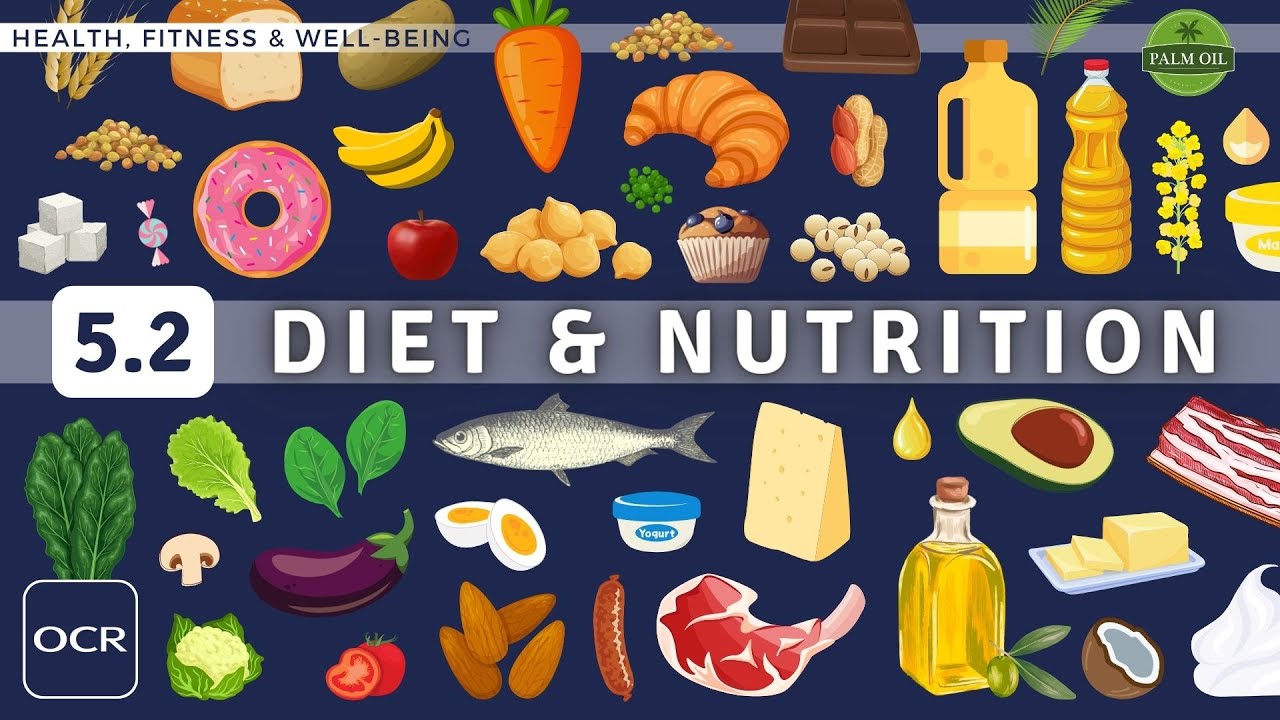

Optimising Sports Performance through Diet & Nutrition for GCSE PE
To achieve peak performance in sports, students must understand the vital role of diet and nutrition. Proper nutrition enhances energy levels, improves recovery times, and boosts overall health and fitness. In this article, we will explore effective strategies for optimizing athletic performance, focusing on balancing macronutrients, hydrating adequately, and timing meals appropriately.
Understanding Macronutrients
Macronutrients—carbohydrates, proteins, and fats—serve different yet essential functions for athletes. Carbohydrates act as the primary energy source during exercise. Incorporating complex carbs like whole grains, fruits, and vegetables ensures sustained energy. On the other hand, proteins are vital for muscle repair and recovery. Athletes should aim to consume lean protein sources such as chicken, fish, legumes, and dairy products to support muscle growth. Lastly, healthy fats from avocados, nuts, and olive oil contribute to hormone production and overall well-being.
Importance of Hydration
Hydration is equally important to maintain performance and prevent fatigue. The body loses fluids through sweat during physical activity, leading to decreased endurance and cognitive function. Athletes need to drink water before, during, and after exercise to stay hydrated. Additionally, including electrolyte-rich beverages during intense workouts can help replenish lost minerals and sustain performance.
Meal Timing Strategies
Timely nutrition plays a significant role in optimizing sports performance as well. Consuming a balanced meal rich in carbs and protein two to three hours before training ensures the body has adequate fuel. Post-exercise, refueling within 30 minutes with a combination of protein and carbohydrates aids recovery and muscle repair. Moreover, maintaining regular meal and snack schedules throughout the day can keep energy levels stable.
Conclusion
Overall, understanding the components of diet and nutrition dramatically impacts an athlete’s performance. By optimizing macronutrient intake, prioritizing hydration, and applying meal timing strategies, students can not only excel in their sports but also enhance their health, fitness, and well-being.
Check on YouTube

