
Do Older Adults Need More Protein? Latest Studies Reveal Insights
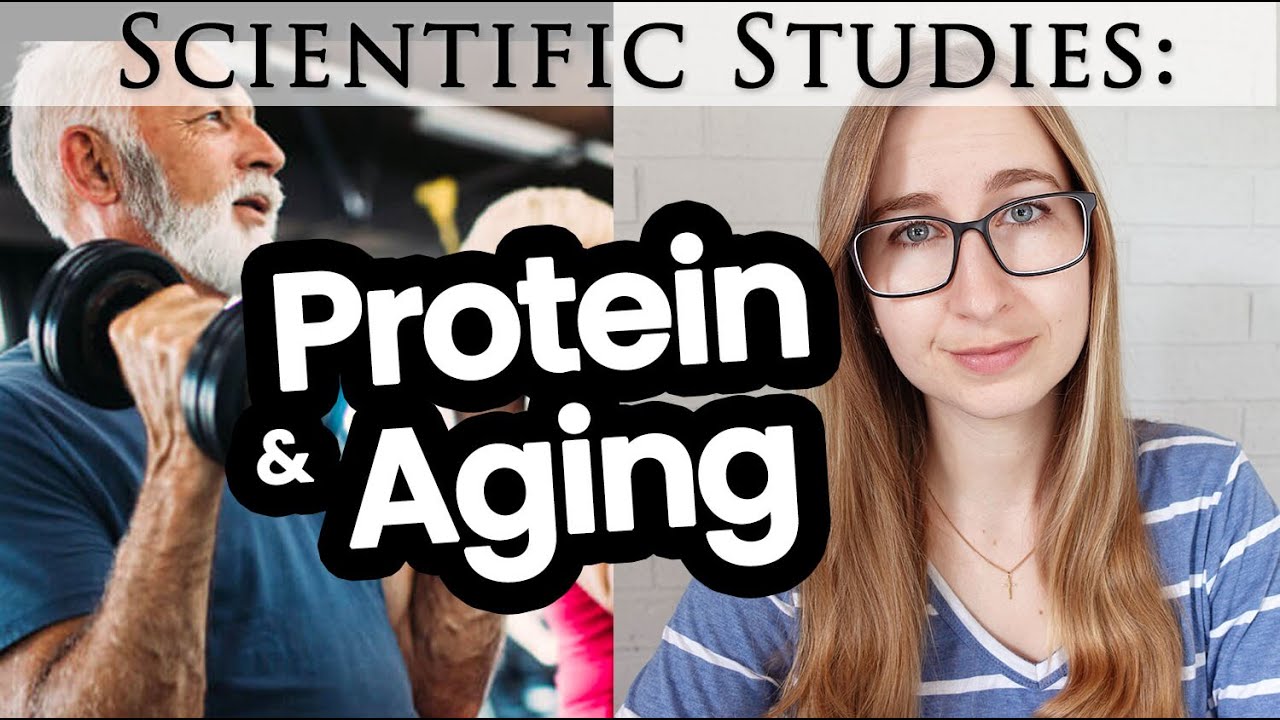

Do Older Adults Really Need More Protein? Unpacking Recent Scientific Studies
As researchers dive deeper into the nutritional needs of older adults, one question arises: do they need more protein? Numerous scientific studies explore this very topic, suggesting that protein intake plays a critical role in maintaining health for aging populations. Understanding the importance of protein sources, benefits of adequate protein, and the implications for dietary guidelines can help shape better nutrition strategies for older individuals.
Recent studies indicate that older adults often require more protein to counteract muscle loss and support overall health. Transitioning to a higher protein diet may improve muscle strength, bone health, and even support cognitive function. Importantly, increasing protein consumption can enhance recovery from illness, reduce the risk of frailty, and maintain independence in daily activities.
Many factors contribute to the need for higher protein intake among the elderly, including decreased muscle mass and activity levels. Research reveals that as we age, our bodies become less efficient at utilizing protein. Therefore, older adults might need about 1.2 to 2.0 grams of protein per kilogram of body weight daily to achieve optimal health outcomes. This suggests a significant shift from the RDA for younger individuals.
Older adults should focus on high-quality protein sources such as lean meats, dairy products, legumes, and nuts. Incorporating these foods into meals not only ensures adequate protein but also supports a balanced diet rich in essential nutrients. As we continue to explore the requirements for protein intake in older populations, it’s vital to stay updated on the latest findings to cater effectively to their unique nutritional needs.
In conclusion, yes, older adults do need more protein. By embracing these new scientific studies, we can empower aging individuals to make informed dietary choices that enhance their health and quality of life.
Check on YouTube

