
Copper Deficiency vs. Toxicity: Supplement or Detoxify for Balance?
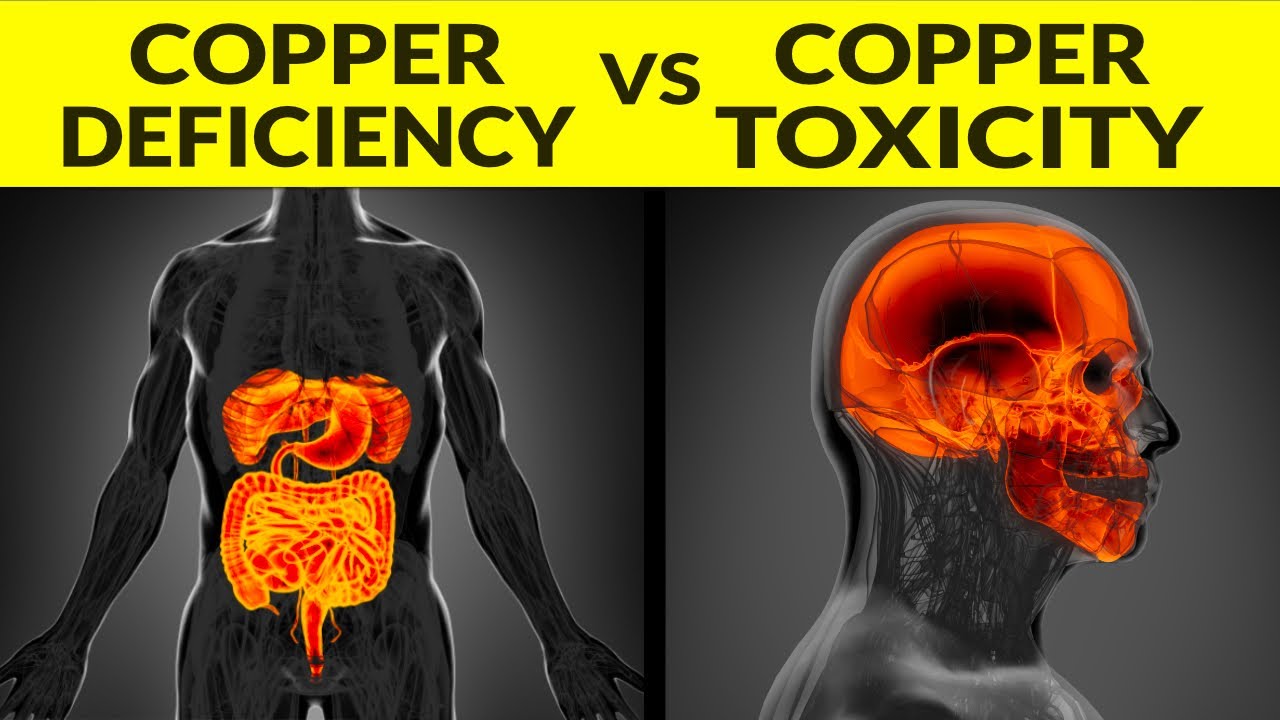

Copper Deficiency vs. Toxicity: Should You Detox or Supplement?
Copper plays a vital role in our health; however, balancing its levels is crucial. Understanding whether you need to address copper deficiency or toxicity directly influences your approach to supplementation or detoxification. This article explores the significance of maintaining healthy copper levels, the potential risks of both deficiency and toxicity, and how to determine the best course of action for your health.
Understanding Copper’s Role in the Body
Copper is an essential trace mineral that supports various bodily functions. It assists in iron absorption, collagen formation, and the functioning of neurotransmitters. Additionally, it acts as a powerful antioxidant, protecting cells from damage. However, an imbalance, whether through deficiency or excess, can lead to serious health issues.
Identifying Copper Deficiency
Symptoms of copper deficiency often include fatigue, weakened immune function, and neurological issues. In cases where the body lacks sufficient copper, individuals may struggle with anemia since copper is vital for iron absorption. Additionally, bone health may also deteriorate due to insufficient copper levels. Thus, if you experience these symptoms, it’s essential to consult a healthcare professional for proper testing and diagnosis.
Recognizing Copper Toxicity
Conversely, excessive copper can lead to toxicity, resulting in symptoms like abdominal pain, nausea, and even neurological damage. Conditions such as Wilson’s disease, a genetic disorder, can cause copper to accumulate in the body, resulting in serious complications. If you suspect copper toxicity, seeking professional medical advice promptly is crucial to prevent long-lasting damage.
Assessing Your Copper Levels
Before deciding to detox or supplement copper, undergo comprehensive testing to assess your current levels. Blood tests can determine if you have a deficiency or excess copper. Once you have this information, you can make informed choices about your health.
Making an Informed Decision
If tests reveal a deficiency, supplementation may be beneficial. Look for high-quality supplements that provide copper in a bioavailable form. Conversely, if toxicity is an issue, focus on a detox approach that may include dietary changes and chelation therapy under a doctor’s supervision.
Conclusion
In summary, understanding whether you face copper deficiency or toxicity is crucial. By consulting a healthcare professional and getting properly tested, you can make informed decisions regarding supplementation or detoxification. Ultimately, maintaining balanced copper levels is key to optimizing your overall health and well-being.
Check on YouTube

