
5 Shocking Reasons “Healthy Eating” Could Be Sabotaging Your Diet

5 Reasons “Healthy Eating” Could Be Leading to Weight Gain: Surprising Insights
Many assume that eating healthy guarantees weight loss, but several surprising factors can lead to the opposite effect. Misleading food labels, improper portion sizes, and emotional eating habits can all sabotage your weight loss efforts. Here are five key reasons why a “healthy” diet might actually be contributing to weight gain.
1. Misleading Labels in Healthy Foods Cause Overeating
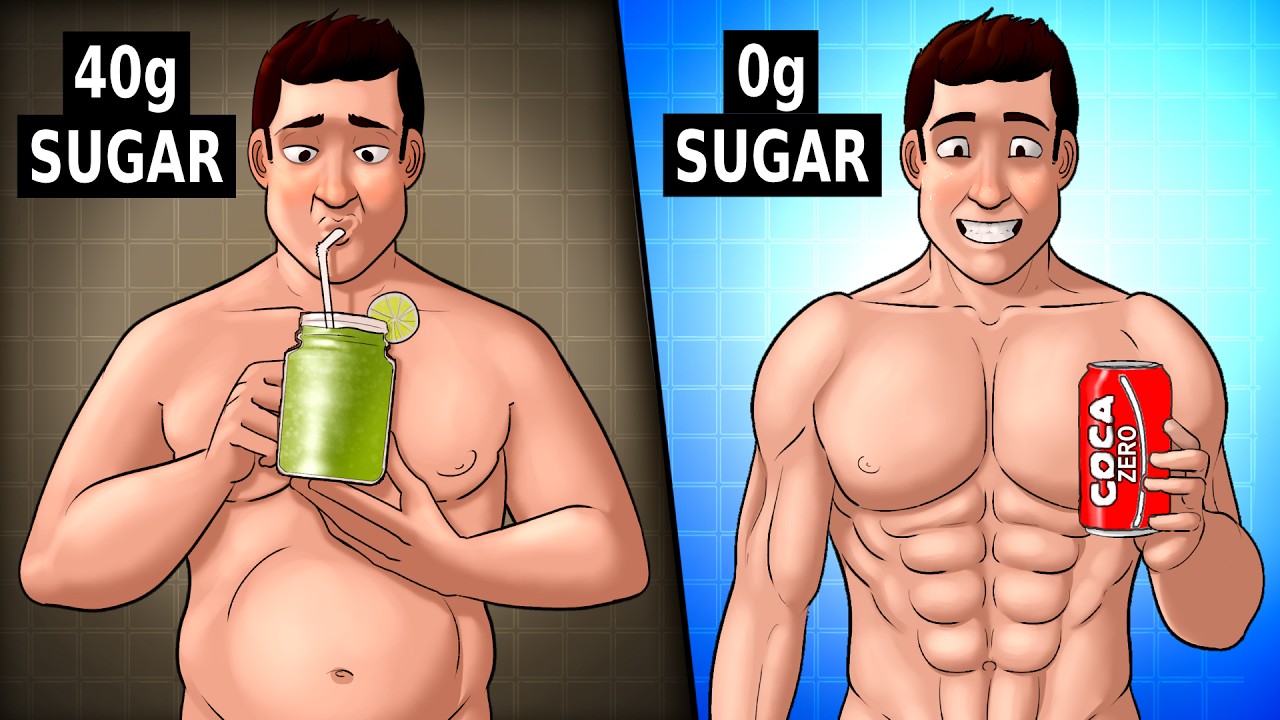
When it comes to healthy eating, food labels can often be deceptive. Many products labeled as “fat-free” or “low-calorie” still contain high levels of sugar or artificial ingredients that increase your calorie intake. As a result, people may consume more of these “healthy” products, unknowingly exceeding their daily caloric needs and gaining weight.
2. Portion Sizes in Nutrient-Dense Foods Can Add Up
Healthy foods like nuts, seeds, and whole grains are loaded with nutrients, but they are also calorie-dense. While they provide essential vitamins and minerals, consuming large portions of these foods can lead to an excess in calories. Controlling portion sizes is crucial in a healthy eating plan to avoid unintended weight gain.
3. Emotional Eating with Healthy Snacks Still Triggers Overconsumption
Even when focusing on healthy snacks, emotional eating remains a concern. Stress, boredom, and emotional triggers can lead to overindulgence, even with nutrient-rich foods. Over time, this behavior can contribute to weight gain, as emotional eating typically ignores physical hunger cues.
4. Hidden Sugars and Fats in Processed “Healthy” Foods
Processed foods marketed as “healthy” options often contain hidden sugars, unhealthy fats, and preservatives. While these products may seem like a good choice for a healthy diet, they can still promote weight gain. Always check the ingredient list to ensure that these so-called healthy products aren’t loaded with unwanted additives.
5. Poor Nutrient Timing Can Disrupt Metabolism
Eating healthy foods is important, but the timing of your meals can significantly impact metabolism. Consuming meals at irregular intervals or snacking late at night can slow down your metabolism, making it harder to lose weight. To boost metabolism, focus on spreading your meals throughout the day and avoiding large meals before bed.
Conclusion
While healthy eating is an important part of maintaining overall well-being, it’s not a guarantee for weight loss. Misleading labels, portion control, emotional eating, and improper meal timing all play a role in achieving and maintaining a healthy weight. By being mindful of these factors, you can avoid the common pitfalls that lead to weight gain and truly benefit from a balanced and nutritious diet.
Check on YouTube

