
Hanging for Spine Decompression: Is It Beneficial or Harmful?
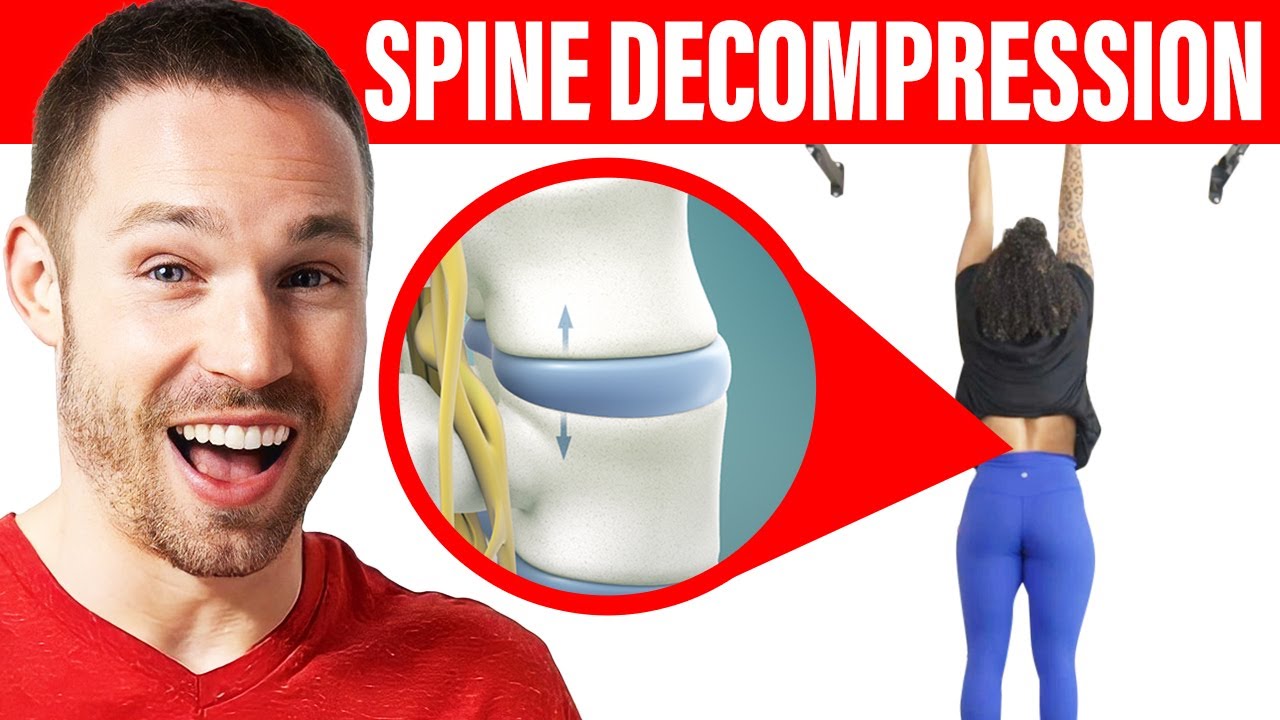

Hanging for Spine Decompression: Effective Solution or Risky Choice?
Hanging for spine decompression has gained popularity as a method to relieve back pain and improve spinal health. Many fitness enthusiasts and professionals advocate this technique, touting its benefits for spinal decompression, posture enhancement, and muscle relaxation. However, understanding its effectiveness and potential risks is crucial for anyone considering this practice.
When hanging, gravity helps to decompress the vertebrae, potentially relieving pressure on discs and nerves. Those with chronic pain may find temporary relief. Yet, it’s essential to approach this method with caution. Not all individuals benefit equally; factors like body weight and pre-existing conditions play significant roles.
Experts emphasize the need for proper form and technique. Beginners should start slowly, using an inversion table or secure bar. Gradually increasing the duration can lead to better outcomes. Consulting a healthcare provider before starting any new fitness regimen ensures safety and effectiveness.
In conclusion, hanging for spine decompression presents both potential benefits and risks. Evaluate personal fitness levels and goals while considering expert advice. By prioritizing safety and informed choices, individuals can make the most of this technique.
Check on YouTube

