
Treat & Reverse Fatty Liver: Diet & Exercise Tips for NAFLD
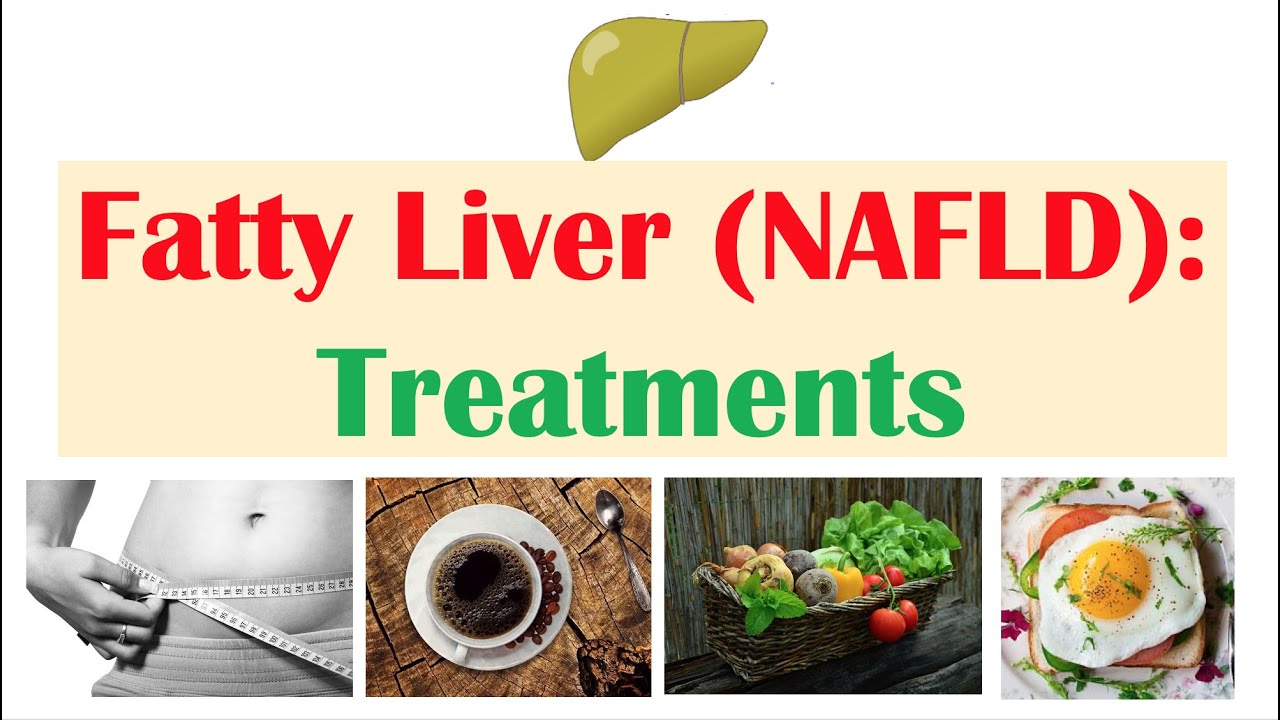

Manage and Reverse Fatty Liver Disease: Diet and Exercise Strategies
Non-alcoholic fatty liver disease (NAFLD) affects millions worldwide, making it crucial to understand how to treat and reverse a fatty liver. Incorporating specific exercise regimens and a healthy diet can significantly impact liver health. By focusing on these methods, you can strengthen your liver function and enhance overall well-being.
Understanding the Condition
NAFLD arises when excess fat accumulates in the liver without obvious causes such as alcohol consumption. This condition often develops silently, leading to serious complications like liver inflammation and scarring. Therefore, recognizing its presence early and implementing lifestyle changes is vital for treatment.
Dietary Approaches to Combat Fatty Liver
Adopting a nutrient-rich diet plays a significant role in reversing fatty liver. Focus on foods that promote liver health:
-
Increase Intake of Whole Foods: Prioritize fruits, vegetables, whole grains, and legumes. These foods provide essential vitamins and antioxidants that support liver function.
-
Choose Healthy Fats: Opt for monounsaturated and polyunsaturated fats found in avocados, nuts, and olive oil. Limit saturated and trans fats typically found in processed foods.
- Control Sugar Consumption: Excessive sugar intake, particularly from fructose, significantly contributes to fat accumulation in the liver. Reduce sugary drinks and processed snacks to support recovery.
Exercise: A Vital Component
Regular exercise enhances metabolic health and aids in weight management, ultimately benefiting those with NAFLD. Aim for:
-
Aerobic Activities: Engage in at least 150 minutes of moderate-intensity aerobic exercise each week. Activities like brisk walking, cycling, or swimming are excellent choices.
- Strength Training: Incorporate resistance training into your routine at least twice weekly. This helps build muscle mass, improve insulin sensitivity, and promote fat loss.
Monitoring Progress
Regularly track your improvements through medical check-ups and lifestyle assessments. Work closely with healthcare providers to evaluate liver function and adjust your diet and exercise plans as needed.
Conclusion
Treating and reversing a fatty liver involves a commitment to healthy eating and regular physical activity. By implementing effective exercise and diet methods, you can significantly impact your liver’s health, enhance your quality of life, and avoid potential complications associated with non-alcoholic fatty liver disease. Start making these positive changes today for a healthier future!
Check on YouTube

