
14 Early Signs of Liver Damage: Are You Missing These Alarming Symptoms?
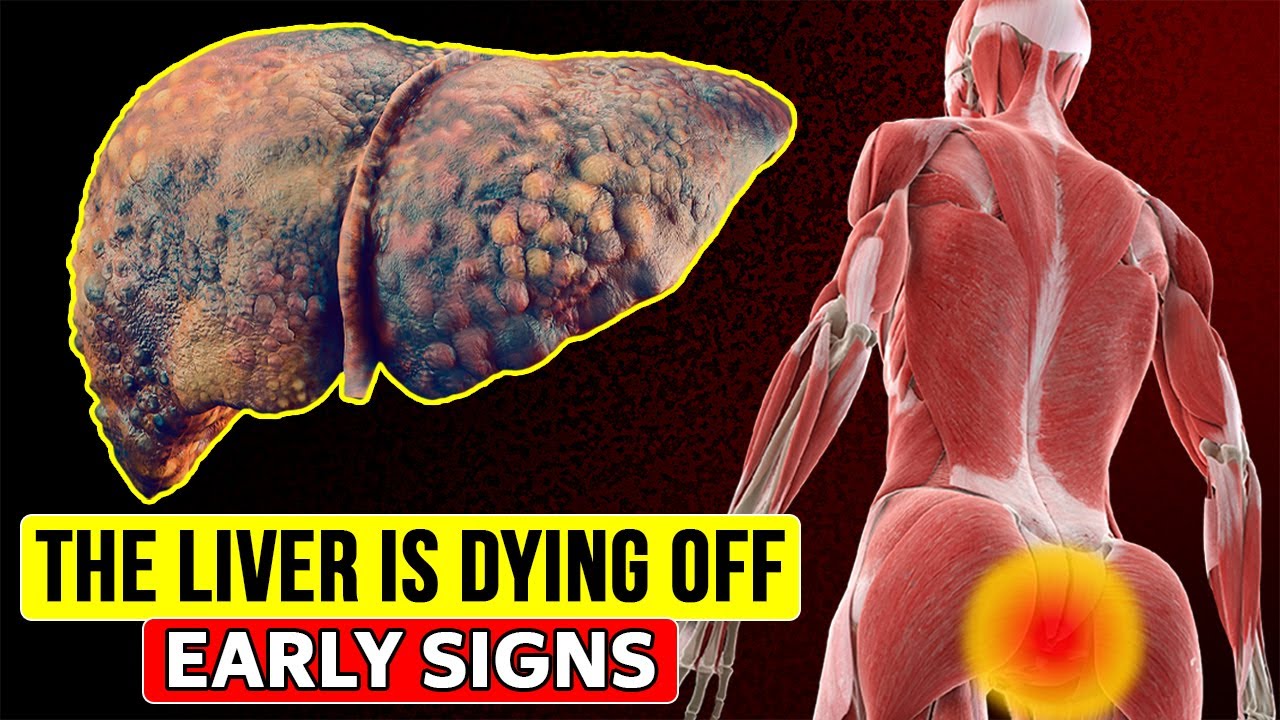

14 Early Signs Indicating Your Liver Is Failing: Recognize Them Now
Many people remain unaware of liver problems until it’s too late. Identifying early signs—like fatigue, yellowing skin, and abdominal pain—can help prevent severe damage. Your liver plays a crucial role in detoxifying your body and maintaining overall health, so recognizing the warning signs is vital. Let’s explore the early indicators that your liver is in distress.
Transitioning smoothly into understanding liver health, you will discover that the liver often compensates for damage until it can no longer do so effectively. This means that the signs can sometimes seem subtle, yet they are critical to address. By paying attention to your body and taking proactive measures, you can safeguard your liver and overall well-being.
Key Signs to Watch For:
- Fatigue: Feeling excessively tired can indicate liver dysfunction.
- Nausea: Regular feelings of nausea may correlate with liver issues.
- Yellowing Skin: Known as jaundice, this condition signals bilirubin buildup.
- Dark Urine: Dark or brown urine may result from liver problems.
- Pale Stools: If your stools appear light-colored, it could signify a liver issue.
- Abdominal Pain: Discomfort or swelling in the abdominal area warrants attention.
- Loss of Appetite: A sudden decline in appetite can indicate underlying health concerns.
- Itchy Skin: Unexplained itchiness may relate to bile salt buildup.
- Easy Bruising: Liver issues may affect your blood’s ability to clot.
- Swelling in Legs/Ankles: Fluid retention can signal liver troubles.
- Mood Changes: Mental health variations may link back to liver health.
- Bad Breath: A distinctly foul odor could suggest liver dysfunction.
- Frequent Infections: The liver’s compromised function can lead to systemic vulnerabilities.
- Confusion or Disorientation: Encephalopathy may arise from severe liver issues.
Understanding these signs empowers you to take action before severe damage occurs. If you recognize any of these symptoms, consulting a healthcare professional promptly is crucial. Early intervention often leads to better treatment outcomes, potentially saving your liver. Keep your health in check, prioritize regular check-ups, and maintain a balanced, healthy lifestyle for optimal liver function.
Check on YouTube

