
PCOS Diet Showdown: Mediterranean, Ketogenic, Low-AGE, Vegetarian
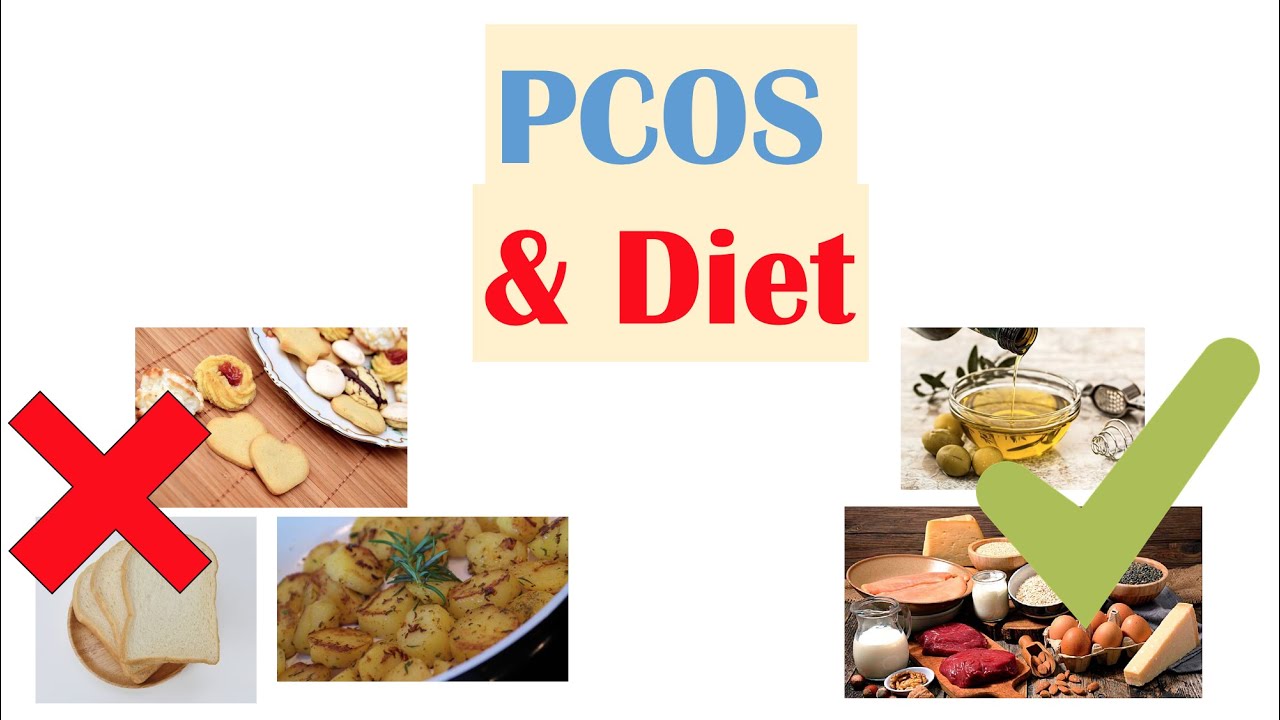

Polycystic Ovary Syndrome & Diet: Exploring Mediterranean, Ketogenic, Low-AGE, and Vegetarian Options
Polycystic Ovary Syndrome (PCOS) affects many women, influencing hormonal balance and metabolic health. Diet plays a crucial role in managing PCOS symptoms, offering various options such as the Mediterranean, ketogenic, low-AGE, and vegetarian diets. Understanding how each of these dietary approaches can impact insulin sensitivity and weight management empowers women to make informed choices in their PCOS journey.
Transitioning to a Mediterranean diet emphasizes whole foods, healthy fats, and ample vegetables, which may reduce inflammation and improve metabolic health. In contrast, the ketogenic diet focuses on low carbohydrates and high fats, aiming to stabilize insulin levels and support weight loss. Around the same time, the low-AGE (Advanced Glycation End Products) diet highlights the importance of minimizing processed foods that can create harmful compounds in the body. Lastly, a vegetarian diet can foster a variety of nutrients, promoting overall wellness.
Choosing the right diet demands consideration of personal preferences, health goals, and lifestyle. Both the Mediterranean and vegetarian diets advocate for nutrient-rich foods, while the ketogenic and low-AGE diets focus on specific food restrictions to tackle particular PCOS-related issues. Weight management remains a common objective, especially given the impact of obesity on PCOS symptoms. Thus, integrating elements from these varied diets—like whole foods or balanced macronutrients—can provide a comprehensive approach to managing PCOS effectively.
When navigating dietary options for PCOS, consider consulting with a healthcare professional. Tailoring a versatile eating plan can help address your unique needs, providing empowerment and support in your health journey. Embrace the journey towards better health, knowing that knowledge and mindful choices can lead toward effective management of PCOS.
Check on YouTube
