
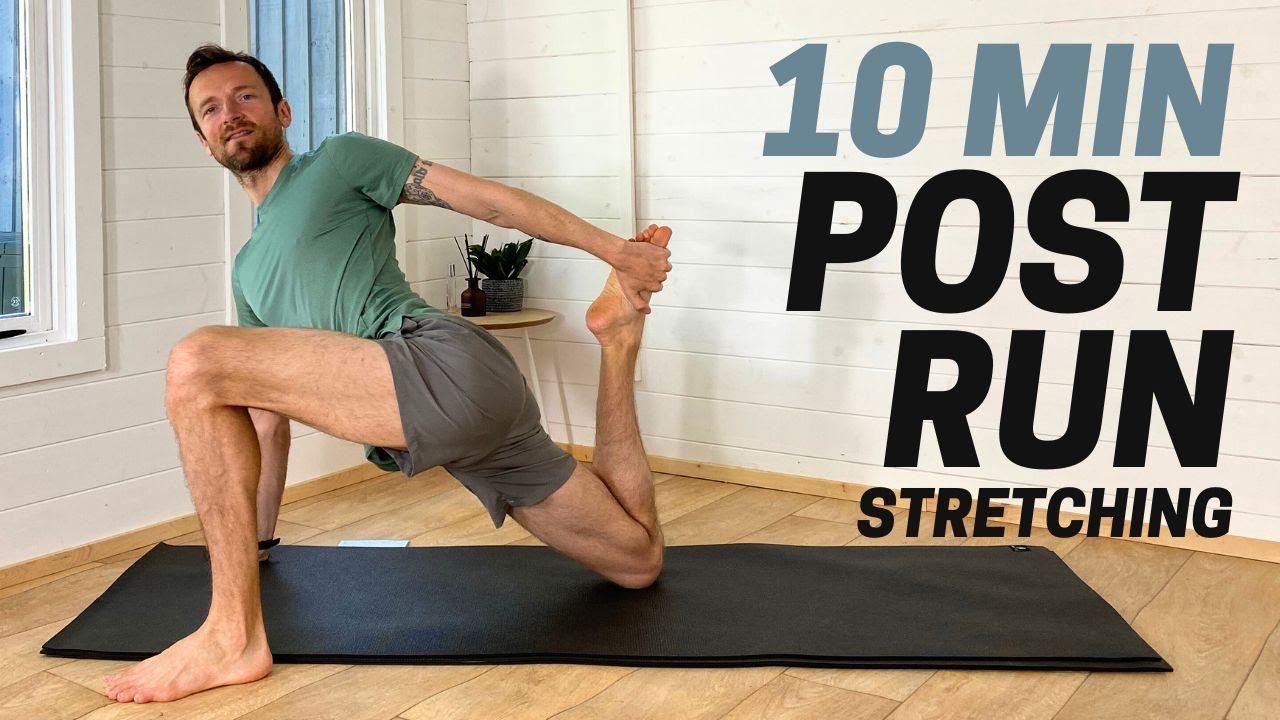

Enhance Recovery: 10-Minute Post-Run Stretching Routine
Running is exhilarating, but recovery is equally important to maintain your performance and prevent injury. A structured post-run stretching routine helps alleviate tension, improve flexibility, and promote relaxation. In just 10 minutes, you can ensure better recovery and be ready for your next run. Follow this step-by-step guide to make the most of your post-run recovery.
Start with Deep Breathing and a Forward Fold
To begin, it’s important to focus on your breathing. Start with a few deep breaths to help center your mind and body. After a long run, this helps calm your nervous system and prepares you for the stretches ahead.
Next, transition into a forward fold. Slowly bend at the hips and let your upper body hang toward the ground. This simple stretch primarily targets your hamstrings and lower back, which are often tight after running. To deepen the stretch, gently sway from side to side. Moreover, letting gravity do the work will help release any lingering tension.
Stretch Your Quads While Standing
After addressing your hamstrings, it’s essential to focus on your quads. While standing, gently pull one ankle towards your glutes. This standing quad stretch is particularly beneficial because it loosens up the quadriceps, which take on a lot of work during your run. Make sure to hold this position for at least 30 seconds before switching to the other leg.
Maintaining balance here is key, so feel free to hold onto a wall or chair for stability. This way, you ensure a deeper, more effective stretch while keeping proper form.
Open Up Your Hips with a Hip Flexor Stretch
After focusing on your quads, it’s time to stretch your hips. Move into a kneeling position with one leg forward in a low lunge. As you push your hips forward, you’ll feel the stretch in your hip flexors. This area is often tight after running, so holding this stretch for 30 seconds per side can greatly improve your flexibility.
In addition, keeping your back straight and your core engaged helps you get the most out of this stretch. By loosening your hip flexors, you’ll not only improve your running form but also reduce the risk of injury.
Release Tension with Pigeon Pose
Next, transition into pigeon pose. This is one of the most effective stretches for releasing tension in the glutes and lower back. From a plank or downward dog position, bring one knee forward and place it behind your wrist. As you extend the other leg back, lower your body over your bent leg.
Holding pigeon pose for 1 minute on each side can significantly reduce post-run stiffness. Moreover, this stretch improves your hip mobility, which is crucial for runners.
Stretch Your Hamstrings and Calves While Seated
After completing pigeon pose, move into a seated hamstring stretch. Extend one leg straight out while the other leg is bent, with the sole of your foot resting against your inner thigh. Slowly reach toward your extended foot, feeling the stretch along your hamstring and calf.
This stretch is especially beneficial for runners because it targets both the hamstrings and calves, which often get tight from the repetitive motion of running. Hold for 30 seconds on each side to ensure full muscle relaxation.
Loosen Your Glutes with a Figure Four Stretch
Once your hamstrings and calves are stretched, shift your attention to your glutes. Lie on your back and perform a figure four stretch by crossing one ankle over the opposite knee. Then, pull the uncrossed leg toward your chest to deepen the stretch.
This move effectively loosens your glutes and relieves any tension in your lower back. After holding for 30 seconds, switch sides to ensure balance and a thorough stretch.
End with Child’s Pose for Relaxation
Finally, wrap up your stretching routine with a relaxing child’s pose. Kneel on the floor, sit your hips back toward your heels, and extend your arms forward. Rest your forehead on the mat and take slow, deep breaths.
This pose not only helps lengthen your spine but also promotes deep relaxation, allowing you to reconnect with your breath after the workout. Spending one minute in this position will leave you feeling rejuvenated and ready for your next run.
Conclusion
Incorporating this 10-minute post-run stretching routine will significantly enhance your recovery. With stretches targeting key muscle groups like the hamstrings, quads, glutes, and hip flexors, you’ll reduce muscle tightness, improve flexibility, and prevent injuries. By making this routine a regular part of your training, you’ll improve both your performance and overall well-being.
Check on YouTube

