
10 Essential Tips for Reading Food Labels: Boost Your Healthy Choices
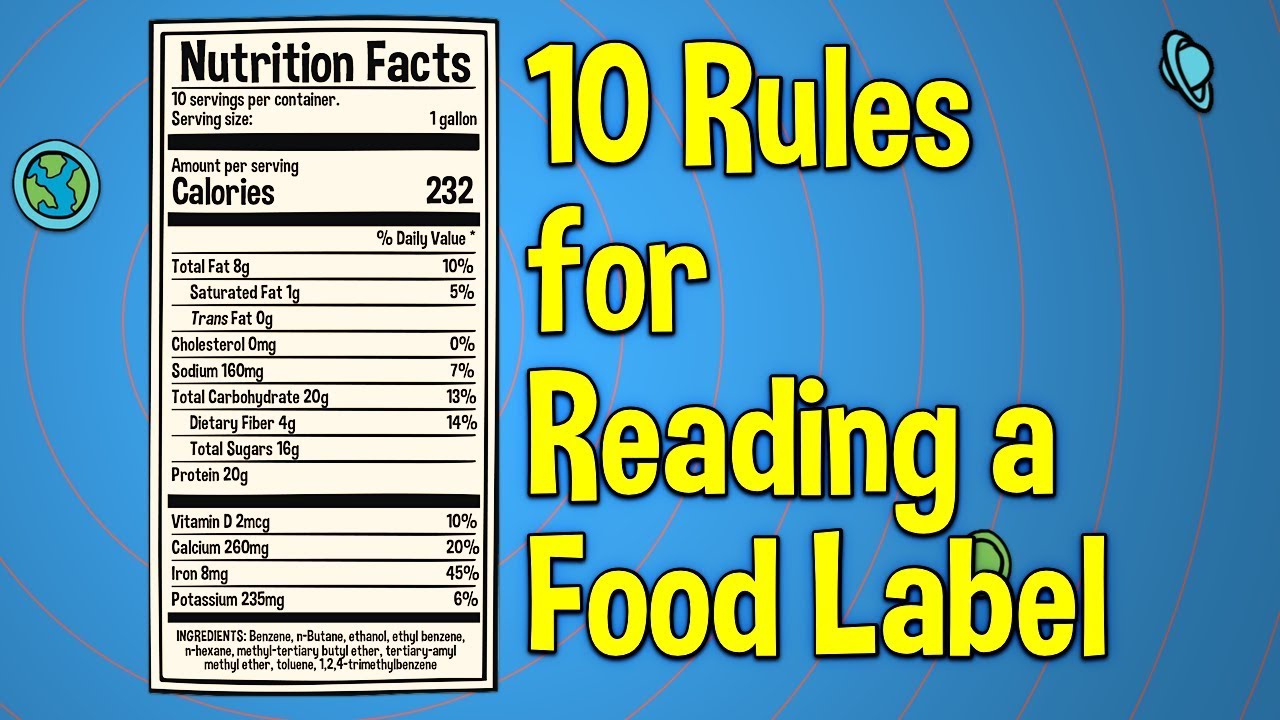

10 Essential Rules for Reading a Food Label Effectively
Understanding food labels greatly enhances your nutrition knowledge. By following these 10 rules, you can make informed choices about the products you consume, boost your overall health, and streamline your meal planning. Food labels provide crucial information about ingredients, nutritional content, and serving sizes, allowing you to take control of your dietary habits.
1. Start with Serving Size
Always check the serving size listed at the top of the label. This number affects all the other nutritional values on the label. If you consume more than the indicated serving size, adjust the nutritional values accordingly.
2. Look at the Ingredient List
Review the ingredient list next. Ingredients are listed in descending order by weight; therefore, the first few ingredients make up the bulk of the product. Aim for recognizable and whole food ingredients.
3. Watch for Added Sugars
Be cautious of added sugars. Look for terms like "sucrose," "high fructose corn syrup," and "honey." The American Heart Association recommends limiting added sugars to maintain heart health.
4. Pay Attention to Nutrients
Focus on nutrients that matter most. Look for fiber, protein, vitamins, and minerals. These components contribute positively to your overall health.
5. Limit Unhealthy Fats
Identify unhealthy fats like trans fats and saturated fats. These can contribute to increased cholesterol levels and heart disease, so minimize their consumption.
6. Understand Daily Values
Refer to the % Daily Value (%DV) listed on the label. It helps you understand how a particular food fits into your daily nutrition goals. Generally, 5% or less is low, while 20% or more is high.
7. Beware of Health Claims
Scrutinize health claims on the packaging. Words like "lite" or "organic" don’t always mean the product is healthy. Always verify through the nutritional information.
8. Compare Products
Don’t hesitate to compare similar products. When shopping, check multiple food labels to find the healthiest option available. This practice helps you make better choices consistently.
9. Stay Informed About Serving Sizes
Recognize that serving sizes vary between products. A "single serving" may differ greatly depending on the type of food, so be mindful of comparisons.
10. Develop a Reading Habit
Lastly, make reading food labels a habit. Consistent practice enables you to better understand your dietary choices and encourages healthier eating patterns.
By following these essential rules for reading food labels, you equip yourself with tools for informed decision-making. In turn, you foster better health and wellness through mindful eating.
Check on YouTube

